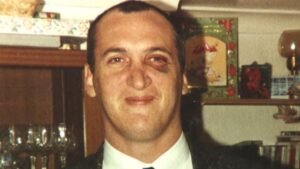
Colin Arthur Ireland operated with a cold, deliberate objective that set him apart from typical predatory criminals: his primary motivation was achieving fame and notoriety. Having spent years harboring violent fantasies and committing petty crimes, Ireland made a conscious decision to become a serial killer. He specifically chose to target gay men in London under the calculated assumption that such a campaign would provoke maximum societal panic and media attention.
Psychologically, Ireland exhibited extreme psychopathy, meticulous planning, and zero emotional connection to his actions. He viewed his victims not out of personal animus, but purely as functional instruments to secure front-page headlines, establishing direct contact with police and journalists post-crime to monitor his public profile.
Ireland’s methodology relied on infiltrating London’s gay pubs and clubs to select victims. Posing as a member of the community, he would strike up conversations, gain their trust, and accompany them back to their private residences. Once inside, he quickly neutralized targets—often utilizing alcohol or drugs subversively before binding them with neckties or improvised ligatures to prevent resistance.
He took extreme forensic precautions, wearing gloves, cleaning surfaces meticulously to erase fingerprints, and changing clothes to avoid physical transfer. After completing the sequence of murders within a compressed timeframe in 1993, Ireland directly telephoned police authorities to confess and demand media recognition.
- The Direct Police Call: Ireland actively bypassed traditional investigative timelines by placing direct telephone calls to emergency services and media desks, outlining specific details of the crime scenes that only the killer could know.
- CCTV and Venue Tracking: Detectives from the Metropolitan Police cross-referenced witness testimonies from London pubs, linking a recurring customer matching Ireland’s description to multiple victim flats.
- Forensic Trace Recovery: Though meticulous, subtle fiber transfers and forensic clues left behind during final struggle phases provided corroborative physical links.
March 8, 1993 // Peter Walker: Ireland initiates his compressed series, murdering a 45-year-old man in Kensington after meeting him at a London venue.
March 10, 1993 // Christopher Dunn: The 37-year-old victim is targeted and strangled in his Southwark home just days after the initial attack.
March 15, 1993 // Perry Bradley-Dodd: A 34-year-old man is killed in Westminster, continuing the rapid fortnightly escalation.
March 27, 1993 // Andrew Collier: The fourth victim is murdered in Clapham, matching the ligature execution pattern.
June 3, 1993 // Emmanuel Spiteri: Ireland completes his final murder in Catford before police net closes in following his direct calls.
December 20, 1993 // Old Bailey Judgment: Following his capture and confession, Ireland pleads guilty to all five murders and receives multiple life sentences with whole-life tariffs.
The crimes of Colin Ireland generated immense fear and distress within London’s LGBTQ+ community during the spring of 1993. Activists and support groups mobilized urgent safety awareness campaigns, while criticizing initial law enforcement approaches toward crimes affecting marginalized groups.
Ireland spent the rest of his life behind bars in maximum-security facilities, ultimately dying from natural causes in Wakefield Prison in 2012, bringing a definitive end to the case of an offender who killed purely for headlines.
| Victim Name | Date | Context of Fatality |
|---|---|---|
| Peter Walker (45) | March 8, 1993 | Met in a London venue, taken back to his Kensington flat, and strangled. |
| Christopher Dunn (37) | March 10, 1993 | Found dead in Southwark following ligature strangulation by Ireland. |
| Perry Bradley-Dodd (34) | March 15, 1993 | Targeted in Westminster during the rapid 1993 murder sequence. |
| Andrew Collier (33) | March 27, 1993 | Murdered inside his residence in Clapham. |
| Emmanuel Spiteri (41) | June 3, 1993 | Final victim killed in Catford before Ireland’s apprehension. |