JAMES HUBERTY
9mm Browning HP / 9mm Uzi Carbine / 12-Gauge Shotgun
San Ysidro, San Diego, California, USA
Indiscriminate / Restaurant Patrons
July 18, 1984
21 Confirmed Homicides (19 Injured)
DECEASED // KILLED BY SNIPER
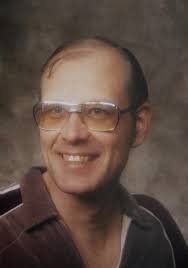
James Huberty was a 41-year-old former security guard who suffered from undiagnosed, severe paranoid delusions and a history of explosive, unpredictable outbursts. After losing his job at a local utility company, his mental state deteriorated rapidly. He became increasingly obsessed with the idea that the government was orchestrating a collapse, and his anger toward his family and society intensified.
On the day of the attack, Huberty informed his wife that he was “going to hunt humans,” an explicit statement of intent that was tragically misunderstood or underestimated by his family until he had already left his home fully armed.
Approximately 4:00 p.m. // The Infiltration: Driving his car to a McDonald’s restaurant in San Ysidro, Huberty entered with a massive arsenal including a 9mm Uzi, a 12-gauge shotgun, and a 9mm Browning pistol. He immediately declared, “Everybody on the floor,” and commenced a systematic firing spree.
The Siege: For over an hour, Huberty held the restaurant, killing patrons, employees, and children. The police response was initially disorganized, struggling to determine the exact number of shooters and the perpetrator’s location inside the building.
Resolution: After 77 minutes of sustained terror, a police sniper positioned on a nearby post office building neutralized Huberty with a single, fatal shot to the chest, ending the siege.
- Exhibit A (The Arsenal): Huberty’s weapons—a 9mm Browning HP, a 9mm Uzi carbine, and a 12-gauge Winchester shotgun—provided massive firepower in a confined civilian space.
- Exhibit B (Initial Police Response): Forensic analysis of the police response highlighted critical gaps in communications, as dispatchers lacked the tactical expertise to manage an active-shooter scenario of this magnitude.
The San Ysidro McDonald’s massacre, resulting in 21 deaths and 19 injuries, was the deadliest mass shooting in modern U.S. history at the time.
The failure of local law enforcement to resolve the situation swiftly forced police departments across the country to adopt the SWAT (Special Weapons and Tactics) team model for active-shooter scenarios. It fundamentally changed how departments train for and communicate during mass casualty incidents, moving away from “contain and negotiate” toward immediate tactical intervention.