OMAR MATEEN
Sig Sauer MCX Rifle / 9mm Glock 17
Orlando, Florida, USA
LGBTQ+ Patrons (Indiscriminate)
June 12, 2016
49 Confirmed Homicides (53 Injured)
DECEASED // KILLED BY POLICE
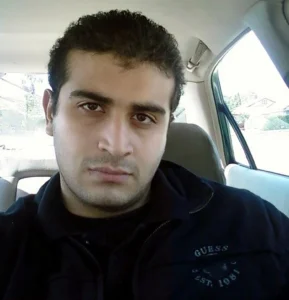 Omar Mateen
Omar Mateen was a 29-year-old security guard who exhibited signs of psychological instability and radicalization over several years. Known to the FBI for previous inflammatory comments, Mateen’s motivations were complex; during the attack, he made explicit phone calls pledging allegiance to the Islamic State (ISIS), while also referencing other extremist groups, indicating an opportunistic adoption of jihadist rhetoric to justify his actions.
Investigations into his personal life highlighted severe domestic instability, including patterns of abusive behavior toward his partners. His choice of the Pulse nightclub—a popular LGBTQ+ venue—as his target underscored his intent to inflict maximum psychological and physical trauma on a group he explicitly vilified.
02:02 a.m. // The Infiltration: Mateen arrived at the Pulse nightclub, where he was engaged by an off-duty police officer working as security. Following a brief exchange of gunfire, Mateen breached the club’s interior and opened fire on the crowded dance floor, initiating a catastrophic mass shooting.
02:09 a.m. – 05:00 a.m. // The Siege: Mateen retreated into a restroom and a stall, taking dozens of people hostage. This transformed the incident from an active-shooter situation into a prolonged, complex barricade standoff. During this time, he placed multiple calls to 911 and local news outlets to articulate his ideological justifications.
05:02 a.m. // Final Neutralization: Recognizing the immediate threat to the hostages, law enforcement initiated a coordinated breach using an armored vehicle and explosives to create an exit point. Mateen engaged the tactical team and was killed in the ensuing shootout.
- Exhibit A (The Arsenal): Mateen used a Sig Sauer MCX semi-automatic rifle and a Glock 17 9mm pistol. Both firearms had been purchased legally in Florida despite his history of investigation by federal authorities.
- Exhibit B (Communication Records): Records of 911 calls and social media activity provided investigators with an intimate view of Mateen’s shifting narrative, as he attempted to claim credit for multiple contradictory extremist movements during the siege.
The Pulse nightclub shooting remains the most lethal attack on the LGBTQ+ community in U.S. history and triggered a massive national dialogue regarding radicalization, domestic surveillance, and gun policy. It forced law enforcement agencies to re-evaluate response protocols for hostage-barricade scenarios within high-density venues.
The investigation also identified significant failures in how federal agencies tracked individuals who had been previously flagged for ties to extremist activity, highlighting the difficulty of balancing constitutional freedoms with the detection of “lone wolf” domestic terrorism.