Fritz Haarmann
Serial Murder (24 counts)
Hanover, Germany
German
1918–1924
Capital Execution
EXECUTED (1925)
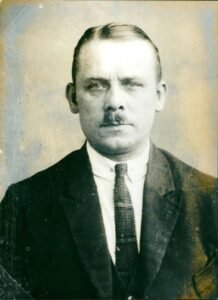
Fritz Haarmann, known as the “Vampire of Hanover” and the “Butcher of Hanover,” was a German serial killer who preyed on young men and boys in Hanover between 1918 and 1924. He lured victims under the guise of providing food or shelter before murdering them by strangulation or biting through their throats.
His crimes were marked by extreme mutilation and dismemberment, leading to his notoriety as one of the most prolific serial killers of the Weimar Republic. After a highly publicized trial, he was found guilty of 24 murders and executed by guillotine on April 15, 1925.
Records from the Weimar-era penal system in Hanover do not contain a standardized “last meal request” protocol comparable to contemporary death row practices. Historical accounts of his final hours primarily detail his psychological state and his concluding remarks.
- Final Meal: No official record preserved.
- Final Statement: “I repent, but I do not fear death”.
Haarmann’s execution was carried out by the executioner Carl Gröpler. The case left a permanent scar on the public consciousness of Hanover, in part because Haarmann had operated for years as a police informant, leading to significant public outrage regarding police oversight during his spree.