EIGHT EXTREMIST ASSAILANTS
Edged Weapons (Machetes / Meat Cleavers / Daggers)
Kunming, Yunnan, China
Civilian Commuters (Indiscriminate)
March 1, 2014
31 Confirmed Civilian Homicides (143 Injured)
4 DECEASED // 3 EXECUTED // 1 LIFE SENTENCE
 Terrorist Cell
Unlike lone-wolf psychological breaks, the Kunming Station attack was executed by a highly organized extremist cell composed of eight individuals (six men and two women) affiliated with Xinjiang separatist ideologies. Chinese authorities explicitly identified the perpetrators as terrorists seeking to establish an independent state of East Turkestan.
The cell’s original operational intent was not a domestic strike. They had intended to illegally cross the Chinese border to join jihadist forces abroad. When their attempts to leave the country were thwarted by strict border security, their frustration and extremist conditioning were redirected inward. They subsequently pivoted their mission to inflict maximum psychological terror and mass casualties on a domestic soft target.
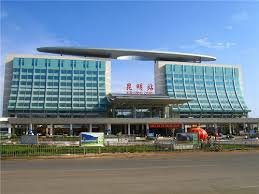
21:20 // The Infiltration: Five assailants, dressed uniformly in black clothing, arrive at the bustling plaza of Kunming Railway Station. They abruptly unsheathe long knives, machetes, and meat cleavers and charge into the crowds waiting outside the ticket hall.
21:25 // The “Wolf Pack” Swarm: The attackers split up, invading the station’s ticket hall and waiting rooms. They move with terrifying speed, slashing indiscriminately at commuters’ heads, necks, and chests to maximize immediate lethal exsanguination. Mass panic ensues as hundreds of people attempt to flee the confined space, dropping luggage and using chairs as improvised shields.
21:30 // Initial Response: Railway police and local station security guards, heavily outgunned and mostly armed only with batons, attempt to intervene and draw the attackers away from the civilian crowds. Several security personnel sustain severe or fatal injuries during these distraction attempts.
21:33 // Tactical Neutralization: A specialized four-man SWAT team led by Captain Zhang Jun arrives at the plaza. The five remaining attackers immediately abandon the civilians and rush the armed officers. After firing warning shots that are ignored, Zhang opens fire, neutralizing all five assailants in roughly 15 seconds—killing four and severely wounding the fifth, a pregnant female attacker.
- Exhibit A (The Arsenal): Authorities recovered over a dozen edged weapons from the scene, ranging from short daggers to machetes approximately two feet in length. The selection of these low-tech weapons was a calculated choice to bypass x-ray machines and explosive detectors.
- Exhibit B (Extremist Paraphernalia): Police recovered hand-painted black flags bearing Arabic script associated with regional jihadist organizations from the attackers’ belongings, cementing the ideological motivation behind the slaughter.
- Exhibit C (CCTV Surveillance): Station cameras provided a comprehensive forensic timeline, capturing the assailants’ synchronized movements and confirming the “swarming” tactic used to herd and overwhelm the victims.
- Exhibit D (The Captured Cell): Intelligence gathered from the surviving female attacker (Patigul Tohti) facilitated the rapid tracking and arrest of the three remaining cell leaders who had orchestrated the attack but were not present during the physical assault.
The operation was characterized by a distinct “active slasher” methodology, which effectively generated the mass panic and high body counts typically associated with firearms or explosives. The sheer brutality of utilizing large blades up close created an atmosphere of absolute psychological terror within the station.
The forensic signature of the wounds was highly concentrated. The attackers specifically targeted the carotid arteries, jugular veins, and upper torsos of the victims, indicating a premeditated intent to inflict fatal, non-survivable wounds with a single strike before rapidly moving on to the next target.
- The Strike Team: Composed of five individuals acting as the physical executioners. Four were shot dead at the scene. The surviving attacker, Patigul Tohti, was captured and interrogated.
- The Masterminds: Iskandar Ehet, Turgun Tohtonyaz, and Hasayn Muhammad. These three men planned the attack and procured the weapons but had been arrested two days prior to the incident while attempting to flee the country. The remaining five carried out the attack in their absence.
- Judicial Resolution: Following a rapid, heavily publicized trial, the three male masterminds were convicted of organizing and leading a terrorist group and intentional homicide. They were executed by lethal injection on March 24, 2015. Patigul Tohti was convicted but given a life sentence because she was pregnant at the time of her arrest.
Often referred to by state media as “China’s 9/11,” the Kunming Station massacre caused a profound and immediate paradigm shift in Chinese domestic security protocols. The realization that a small group armed only with knives could kill 31 people in 12 minutes exposed a critical vulnerability in the country’s public defense infrastructure.
In direct response, China initiated the “Strike Hard Campaign against Violent Terrorism,” leading to an unprecedented security crackdown. Domestically, the incident resulted in the immediate arming of beat police officers (who had traditionally been unarmed) and the permanent, highly visible stationing of heavily armed SWAT teams and armored vehicles at all major railway stations, airports, and public squares nationwide.
The 31 innocent civilian commuters who lost their lives to the terror cell, alongside the 143 individuals who sustained severe lacerations and trauma during the chaotic 12-minute assault:
| Victim Profile | Status | Location of Injury/Death |
|---|---|---|
| Civilian Commuters (31 Fatalities) | Deceased (Multiple Lacerations) | Station Plaza / Ticket Hall |
| Civilian Commuters (143 Casualties) | Injured (Stab wounds/Stampede trauma) | Station Plaza / Waiting Rooms |
| Railway Security / Local Police | Injured (First Responders) | Kunming Railway Station Exterior |