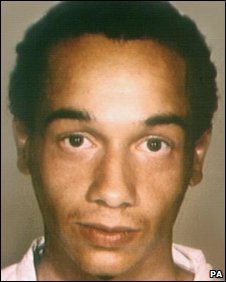
Kenneth Erskine, widely known in criminal history records as “The Stockwell Strangler”, operated as a serial predator focused on elderly citizens residing in South London. Exhibiting a severe gerontophilic deviance, Erskine hunted individuals who lived alone, taking advantage of their limited physical mobility and compromised defensive capabilities. His profile combined opportunistic burglary with brutal sexual violence and lethal assaults.
Psychologically, Erskine displayed severe mental instabilities compounded by impulsive aggression and severe lack of remorse. Operating predominantly at night, he systematically searched urban blocks for unlatched windows or fragile door entry points, treating vulnerable residential zones as hunting grounds.
Erskine’s methodology relied on nocturnal break-ins targeting ground-floor apartments or accessible upper-level flats. Once inside, he located sleeping victims, subduing them instantly with manual strangulation or pillow smothering to prevent vocal alarms. His physical approach relied heavily on overwhelming force against frail targets.
In addition to homicidal violence, his methodology frequently incorporated opportunistic theft, stealing small amounts of cash or valuables from the crime scenes to mask the primary sexual and violent motives behind his predatory excursions across residential London.
- Latent Fingerprint Recovery: Metropolitan Police forensic teams processed chaotic crime scenes across Stockwell, recovering pristine latent dactyloscopic prints left on surfaces and personal items inside victim apartments.
- Modus Operandi Linkage: Pathologists and investigators cross-referenced the unique signature of elderly targeted strangulations, confirming a single hand executing the multi-site crime wave.
- Database Interception: Fingerprint matches tied directly to Erskine’s criminal history records allowed authorities to isolate and capture the perpetrator before further escalation occurred.
Early 1986 // The Stockwell Incursion: Erskine begins infiltrating residential retirement housing blocks and apartments across South London under cover of darkness.
1986 // The Spate of Attacks: Multiple elderly victims are discovered dead in their beds, triggering widespread panic and emergency multi-borough police task force investigations.
July 1986 // Tactical Apprehension: Following intensive forensic fingerprint matching and localized stakeouts, police forces locate and arrest Kenneth Erskine.
1988 / Subsequent Verdicts: Following legal proceedings, Erskine is convicted of multiple counts of murder and sexual assault, receiving a life sentence. *(Note: Later legal reviews addressed psychiatric institutionalization parameters relative to his underlying mental state).*
The terror inflicted by Kenneth Erskine exposed critical security shortcomings regarding urban residential housing safety for elderly demographics. Local councils and community support networks faced urgent demands to upgrade window locks, bolster door reinforcement measures, and establish alert networks for vulnerable residents living alone.
The case also spurred advancements within British forensic identification units, emphasizing rapid dactyloscopic comparisons during serial assault investigations to halt predatory sprees targeting society’s most defenseless individuals.
| Victim Name | Date | Context of Fatality / Attack |
|---|---|---|
| Elderly Residential Victims (11 Total Attributed) | 1986 | Targeted inside their South London homes during nocturnal incursions; subjected to manual strangulation and lethal asphyxiation. |