BARUCH GOLDSTEIN
IMI Galil Assault Rifle
Hebron, West Bank
Muslim Worshippers
February 25, 1994
29 Confirmed Homicides (125+ Injured)
DECEASED // KILLED ON SITE
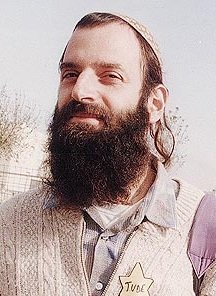 Baruch Goldstein
Baruch Goldstein was a 37-year-old physician and an active member of the extreme Kach movement, a group known for its militant ultranationalist ideology. Living as a settler in Kiryat Arba, Goldstein was deeply embedded in an environment of escalating ethnic and religious tension. His psychological profile was marked by total adherence to a messianic, violent interpretation of religious doctrine, which he used to justify the complete dehumanization of the local Palestinian population.
Goldstein viewed his actions as a necessary preemptive measure in an ongoing existential conflict. His medical training provided him with an air of respectability, allowing him to bypass routine security checks at the Ibrahimi Mosque/Cave of the Patriarchs while armed.
Morning // The Infiltration: Arriving at the Ibrahimi Mosque dressed in his Israeli military reserve uniform, Goldstein faced no resistance from guards, who assumed he was there to protect the site. He entered the hall during the holy month of Ramadan, when it was filled with over 800 worshippers.
The Execution: Positioning himself behind the worshippers, Goldstein opened fire with an IMI Galil rifle. The attack was sustained and methodical, as he used multiple magazines to maximize the casualty count. Survivors described a scene of absolute chaos, with worshippers unable to determine the direction of the gunfire in the enclosed space.
Resolution: After he ran out of ammunition or was jammed, survivors and others in the mosque physically overwhelmed Goldstein. He was killed on-site by the very crowd he had attacked.
- Exhibit A (Military Credentials): The uniform allowed Goldstein to infiltrate a site where he was otherwise restricted, demonstrating the fatal weakness of relying on visual identification as a security measure.
- Exhibit B (The Galil Rifle): A military-grade assault rifle was chosen for its reliability and high rate of fire, ensuring he could disable a significant portion of the assembly before being stopped.
The massacre sent shockwaves through the region, leading to massive protests, curfews, and a surge in retaliatory violence. The event essentially crippled the peace process at the time, as it hardened extremist sentiment on both sides of the conflict.
The Israeli government subsequently established the Shamgar Commission to investigate the massacre, which recommended significant changes to the security and management of the Cave of the Patriarchs, including physical separation between the Jewish and Muslim sections of the site—a measure that remains in place today.