JULIO GONZÁLEZ
Gasoline / Arson
The Bronx, New York City, USA
Social Club Patrons (Revenge)
March 25, 1990
87 Confirmed Homicides
DECEASED // INCARCERATED
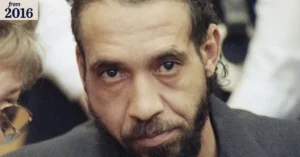 Julio González
Julio González was a Cuban immigrant who had recently been fired from his job at the Happy Land Social Club. His history was defined by instability and domestic disputes; he had been involved in a volatile, abusive relationship with one of the club’s employees, Lydia Feliciano, who had broken up with him shortly before the incident.
González’s psychological profile indicates an individual driven by a profound sense of humiliation and a narcissistic inability to cope with rejection. His choice to incinerate the club was not an accident but a premeditated, retaliatory act intended to punish those he felt had marginalized him.
Early Morning // The Escalation: After being ejected from the club by a bouncer earlier in the evening, González returned with a container of gasoline. At approximately 3:30 a.m., he poured the fuel at the base of the club’s only functional exit and ignited it.
The Conflagration: The fire spread instantly, turning the small, second-story social club into a death trap. Because the club was operating illegally without fire escapes or sprinkler systems, the 93 occupants had virtually no means of egress.
Resolution: González fled the scene but was arrested by police shortly thereafter at his residence, where they found clothing stained with gasoline.
- Exhibit A (Gasoline Residue): Forensic analysis of González’s clothing and the point of origin at the club entrance provided an irrefutable chemical link to the arson.
- Exhibit B (Code Violations): Post-incident inspections confirmed the club had been ordered to close due to extreme fire safety violations, but the order had never been enforced.
The Happy Land fire claimed 87 lives, remaining the deadliest arson attack in U.S. history. The incident triggered a massive investigation into New York City’s fire code enforcement and the proliferation of illegal, unlicensed social clubs.
The tragedy led to the widespread installation of sprinkler systems and the mandatory inspection of similar social clubs citywide, creating a permanent shift in how municipal authorities handle building safety compliance.