UNKNOWN (MALE)
.40-Caliber Handgun
Tinley Park, Illinois, USA
Store Employees & Customers
February 2, 2008
5 Confirmed Homicides (1 Survivor)
UNSOLVED // COLD CASE
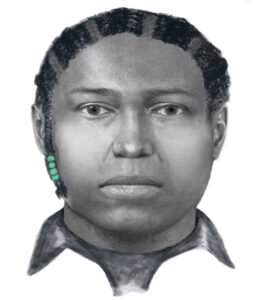
Unidentified Suspect
The perpetrator is described as a black male, approximately 6 feet tall, with a medium build and braided hair. He possessed an authoritative demeanor, allowing him to successfully pose as a delivery driver to gain entry to the store’s back room. His behavior during the massacre—maintaining calm, giving clear orders, and executing his victims with precision—points to an individual who may have had prior experience with violence or security-related tactical operations.
The lack of apparent robbery as a primary motive, coupled with the brutal efficiency of the killings, leads investigators to suspect a deeply personal grudge or an extreme sociopathic compulsion. The attacker vanished quickly, showing a level of composure that suggests he had planned a clear exit strategy.
Morning // The Infiltration: The suspect entered the Lane Bryant store in the Brookside Marketplace in Tinley Park, Illinois, masquerading as a delivery man. He quickly used zip-ties to restrain the five employees and one customer who were present in the store.
The Execution: The suspect moved the restrained individuals to a back storage room. One by one, he shot them execution-style. The attack was conducted with terrifying silence, as neighboring businesses remained completely unaware of the slaughter occurring just feet away.
Resolution: The shooter exited the store and disappeared into the suburban surroundings. It was only later that afternoon that a customer discovered the scene, leading to the discovery of five deceased victims and one sole survivor who had played dead.
- Exhibit A (The 911 Call): The store manager managed to place a 911 call during the incident. While the operator could not hear specific details, the call captured the sounds of the perpetrator’s authoritative voice and the immediate aftermath.
- Exhibit B (The Survivor): The testimony of the single survivor, who was shot but remained conscious and silent until the perpetrator left, provides the most comprehensive description of the suspect.
- Exhibit C (Ballistics): The .40-caliber casings recovered from the scene were linked to a firearm that has never been recovered, serving as the primary lead for potential future forensic matches.
The Lane Bryant shooting remains one of the most chilling unsolved crimes in Illinois history. The case has been subject to thousands of investigative leads, extensive DNA profiling of the crime scene, and national media scrutiny, yet the perpetrator’s identity remains unknown.
The case serves as a dark reminder of the vulnerability of retail environments to a sophisticated, planned attack. It spurred updates in store security protocols and emergency response training for retail workers across the U.S., emphasizing the danger of perpetrators who use deceit and authoritative camouflage to gain access to secure areas.
The five victims whose lives were claimed during the February 2008 execution:
| Victim Name | Role |
|---|---|
| Rhoda McFarland | Store Manager |
| Jennifer Bishop | Employee |
| Sarah Szafranski | Employee |
| Connie Woolfolk | Customer |
| Carrie Hudek Chiuso | Employee |