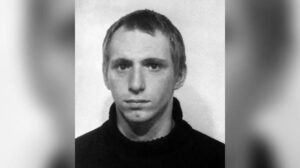
Bruce George Peter Lee operated as one of Britain’s most destructive serial arsonists, whose pyromaniac compulsions resulted in a staggering loss of life across Kingston upon Hull. Outwardly blending into working-class urban life, Lee harbored an obsessive fixation with fire, ignition patterns, and the chaotic aftermath of structural blazes. His profile merged elements of calculated concealment with severe psychological deviance centered around destruction.
Psychologically, Lee exhibited profound impulse control disorders, pathological fire-setting fixations, and detachment from the catastrophic human consequences of his actions. Following his eventual apprehension, medical evaluations led to his indefinite confinement within secure psychiatric facilities rather than standard penal imprisonment.
Lee’s tactical methodology centered on exploiting multi-occupancy residential buildings, boarding houses, and family homes during overnight hours when residents were asleep. Utilizing accessible ignition materials, accelerants, or blocked exit corridors, he initiated fires in entryways or stairwells to ensure maximum smoke spread and structural entrapment.
By weaponizing fire, Lee detached himself physically from the immediate point of victim execution, frequently blending into the crowds of onlookers or returning to observe emergency response operations as fire crews battled the blazes across Hull.
- Arson Trend Analysis: Humberside Fire Brigade and police investigators noted an anomalous spike in destructive, unexplained residential fires across specific Hull districts, signaling an active serial firebug.
- Presence at Scenes: Authorities cross-referenced witness logs and emergency responder notes, repeatedly placing Lee lingering near the perimeters of multiple fatal fires.
- Confessional Breakdown: Intensive interrogations eventually yielded comprehensive admissions detailing multiple arson attacks, though subsequent legal reviews led to some historical convictions being formally quashed or adjusted.
1973 // The Opening Spires: Lee initiates his destructive sequence of residential fires in Kingston upon Hull, establishing a pattern of nighttime property ignitions.
1974–1978 // The Escalation Spate: Multiple boarding houses and family dwellings are struck, resulting in mounting fatalities from smoke inhalation and severe burns.
1979 // Final Blazes & Apprehension: As emergency services close in on the recurring arson signatures, police apprehend Lee, halting his multi-year fire campaign.
1981 // Crown Court Judgment: Following complex legal proceedings regarding his mental health and overlapping charges, Lee is sentenced to involuntary psychiatric commitment, where he remained confined.
The staggering death toll linked to Bruce George Peter Lee—ultimately attributed to dozens of fatalities across his active years—sent shockwaves through Kingston upon Hull and prompted sweeping overhauls in British fire investigation protocols. The difficulty in prosecuting historical arson cases where physical evidence is consumed by flames led forensic pathology and fire science units to adopt advanced accelerant detection and ignition-point mapping.
Furthermore, the case accelerated municipal fire safety inspections across multi-occupancy residential buildings, mandating clearer emergency escape routes and stricter building material regulations throughout the United Kingdom.
| Victim Group / Location | Date Range | Context of Fatality |
|---|---|---|
| Hull Residential Fire Victims (26 Attributed) | 1973–1979 | Trapped inside multi-occupancy dwellings and family homes during nighttime arson attacks; succumbed to smoke inhalation and thermal trauma. *(Note: Certain individual convictions were later adjusted or quashed on appeal).* |