BEVERLEY GAIL ALLITT
Lethal Injection (Insulin/Potassium) / Asphyxiation
Lincolnshire, England
Infants and Young Children
February – April 1991
4 Confirmed (13 Total Victims)
INCARCERATED // SECURE FACILITY
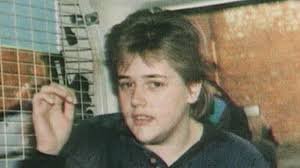 Beverlet Allitt
Beverley Allitt’s pathology is one of the most thoroughly documented cases of Munchausen syndrome by proxy in criminal history. From a young age, she exhibited profound attention-seeking behaviors, frequently wearing bandages for nonexistent injuries and seeking unnecessary medical treatments to manipulate the sympathy of those around her. Her psychiatric instability was highly evident during her nurse training, characterized by high absenteeism and erratic behavior, yet she managed to secure a temporary position on Ward 4 (the children’s ward) at Grantham and Kesteven Hospital.
Unlike financially motivated or overtly sadistic medical killers, Allitt’s compulsion was driven entirely by a desperate need to be the center of medical drama. By inducing sudden, unexplained cardiac arrests or hypoglycemic shocks in infants, she created high-stakes emergencies where she could perform as the attentive, grieving, and heroic caregiver, feeding her psychological demand for validation.
February 21, 1991 // Liam Taylor: The initial escalation. Seven-week-old Liam was admitted for a minor chest infection. Allitt was left alone with him, and shortly after, he suffered a severe respiratory emergency resulting in fatal brain damage. His death was initially ruled natural, emboldening Allitt to accelerate her timeline.
March – Early April 1991 // The Surge: Over a terrifying 59-day period, Ward 4 experienced an impossible statistical anomaly of infant cardiac arrests. Allitt murdered Timothy Hardwick (an 11-year-old with cerebral palsy) and two-month-old Becky Phillips, while actively attempting to murder nine other children, leaving several with severe, permanent disabilities.
April 22, 1991 // Claire Peck: The final victim. Fifteen-month-old Claire, an asthmatic, was left in Allitt’s care and suffered a massive cardiac arrest. Resuscitation revived her, but upon being left alone with Allitt a second time, she suffered another fatal attack. It was the resulting blood tests from this incident that finally broke the case.
- Exhibit A (Toxicology Screen): Blood samples from Claire Peck revealed extremely high levels of potassium. Similarly, surviving victim Paul Crampton’s blood showed massive, lethal-range spikes of synthetic insulin that could not have been produced naturally by his body.
- Exhibit B (Duty Rosters): A systematic review of hospital staff logs confirmed a devastating correlation: Beverley Allitt was the only nurse on duty during all 25 separate medical emergencies that occurred during the 59-day spree.
- Exhibit C (Missing Nursing Logs): Investigators discovered that crucial pages from the daily nursing logs detailing the medical interventions for the deceased victims had been deliberately torn out and destroyed by Allitt.
- Exhibit D (The Refrigerator Logs): The key to the ward’s refrigerator, where insulin was stored, was frequently unaccounted for when Allitt was on duty, pointing to unrestricted access to the murder weapon.
Allitt’s methodology was covert, rapid, and relied heavily on the chaotic environment of an understaffed ward. Her primary weapon was the unauthorized intravenous injection of synthetic insulin to induce extreme hypoglycemia, or potassium chloride to directly trigger cardiac arrest. In some cases, she simply smothered the infants to induce hypoxia.
The most chilling aspect of her M.O. was the immediate post-assault phase. Rather than fleeing the scene, Allitt would intentionally trigger the emergency alarms and enthusiastically join the crash team, offering comfort to the devastated parents and presenting herself as a highly dedicated nurse fighting to save the lives she had just endangered.
- Physicality & Demeanor: A 22-year-old, average-looking young woman. Outwardly cheerful, friendly, and deeply involved with the families of her patients. She was described by colleagues as enthusiastic but occasionally overbearing.
- Psychiatric Evaluation: Formally diagnosed by multiple psychiatrists with Munchausen syndrome by proxy, as well as severe personality disorders, explaining her need to inflict harm to garner sympathetic attention.
- Interrogation Behavior: She steadfastly denied all charges during police interviews and her subsequent trial, maintaining a facade of absolute innocence and claiming to be the victim of a hospital cover-up.
- Custodial Resolution: In 1993, she was given 13 life sentences. Due to her severe psychological pathology, she was detained at Rampton Secure Hospital in Nottinghamshire, a high-security psychiatric facility.
Det. Supt. Stuart Clifton: The lead investigator from the Lincolnshire Police. He painstakingly built the circumstantial and forensic case against Allitt, coordinating complex medical testimonies to prove that the cluster of deaths was statistically impossible without a malevolent actor on the ward.
Dr. Nelson: The consultant pediatrician at Grantham and Kesteven Hospital who finally recognized the terrifying, unnatural pattern of cardiac arrests. His decision to alert hospital management and demand an investigation stopped Allitt’s spree.
The Beverley Allitt case sent shockwaves through the National Health Service (NHS). The government commissioned the independent Clothier Inquiry to determine how a severely disturbed individual was allowed to practice unsupervised in a pediatric ward.
The inquiry led to immediate, sweeping reforms in British nursing. It introduced mandatory psychological and occupational health screening for all nursing candidates, established far stricter controls and daily audits on hospital drug cabinets (especially regarding insulin and potassium), and mandated immediate external investigations when unexpected hospital mortality rates spike.
The four children whose murders resulted in life sentences for Beverley Allitt (not including the nine victims of attempted murder and grievous bodily harm):
| Victim Name | Date of Death |
|---|---|
| Liam Taylor | February 21, 1991 |
| Timothy Hardwick | March 5, 1991 |
| Becky Phillips | April 5, 1991 |
| Claire Peck | April 22, 1991 |